

What are the common defects of electrophoretic paint?
What are the common defects of electrophoretic paint?Electrophoretic coating is an important coating process, widely used in the automotive, home appliance, hardware and other industries. However, in the electrophoretic coating process, some defects may occur, affecting coating quality and product performance. This article will introduce the common defects of electrophoretic paint and their causes and preventive measures.
First, shrinkage
Shrinkage is one of the common defects in electrophoretic coating, which is characterized by pores or crater-like depressions on the surface of the paint film. There are several reasons for the shrinkage, such as dust, oil stains or incompatible particles on the surface of the electrophoretic paint wet film or surface, and the problem of material of the coated object.
To avoid shrinkage, the following measures can be taken:
Ensure that the surface of the workpiece is clean before electrophoresis, without dust, oil stains or other impurities;
Strengthen pretreatment cleaning, especially oil treatment;
Regularly clean the electrophoretic bath to avoid foreign matter mixing in;
Control the water quality of post-electrophoresis water washing to avoid oil and other impurities adhering to the paint film.
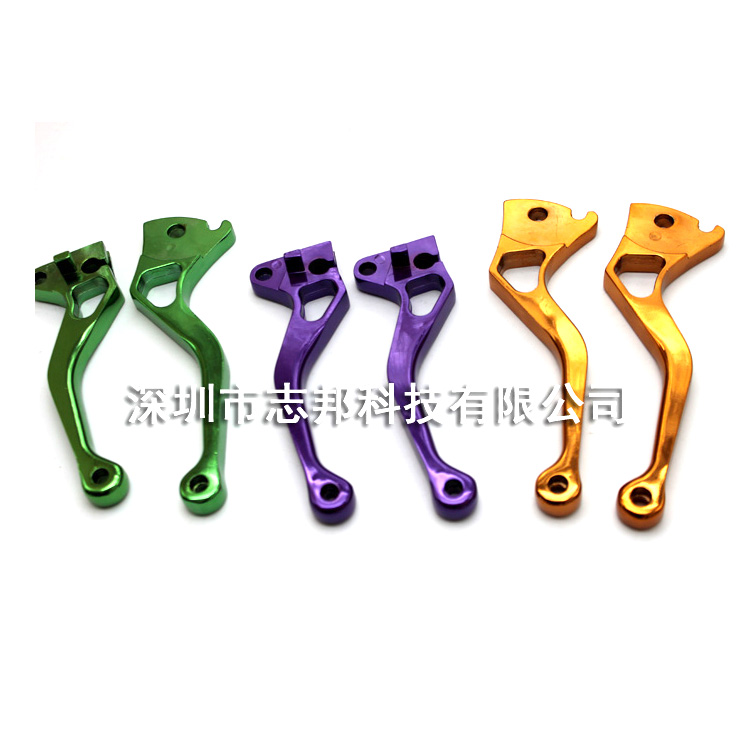
Second, rough paint film
The rough paint film is characterized by uneven surface of the coating with granular protrusions or rough texture. The possible reasons may include excessive impurity ion content in the bath, low co-solvent content, low bath temperature or insufficient stirring.
To improve the problem of rough paint film, the following measures can be taken:
Regularly clean the bath to remove impurity ions;
Adjust the co-solvent content of the bath to maintain appropriate solubility;
Strengthen temperature and stirring management of the bath to ensure stable temperature and sufficient stirring.
Third, flow marks and stripe prints
Flow marks and stripe prints are characterized by flow marks or stripe-like prints on the surface of the coating. The possible reasons may include excessive residence time of the workpiece in electrophoresis process and insufficient post-electrophoresis rinse.
To avoid flow marks and stripe prints, the following measures can be taken:
Control the electrophoresis time to avoid excessive residence time of the workpiece in the electrophoretic bath;
Strengthen post-electrophoresis rinse to ensure that the surface of the workpiece is cleaned;
Adjust electrophoresis process parameters to optimize coating effect.
Fourth, other defects
In addition to the above common defects, electrophoretic coating may also appear other problems such as bubbles, uneven color and peeling. The causes and solutions of these problems vary depending on the specific situation. It is necessary to analyze and deal with them in time according to the specific situation.
In conclusion, in order to avoid defects in electrophoretic coating, it is necessary to strengthen pretreatment and preparation work before coating, control coating process parameters and environmental conditions, and regularly inspect and maintain coating equipment and baths. At the same time, for problems that arise, they need to be analyzed and processed in a timely manner, and effective preventive measures need to be taken to ensure stable coating quality and product performance.


 WeChat