

Don't Panic about Rough Electrophoretic Paint Film! These Solutions Will Help You Handle It Easily
In the electrophoretic coating process, the issue of rough electrophoretic paint film is truly a headache for many practitioners. Just imagine, the paint film that should have been smooth, flat, and evenly colored becomes uneven, rough, and dull. This not only severely affects the aesthetic appearance of the product, reducing its "visual appeal," but may also have an adverse impact on the product's key properties such as corrosion resistance and rust prevention, thereby shortening the product's service life. However, don't rush to worry. Today, I'm going to share some effective methods for dealing with rough electrophoretic paint film.
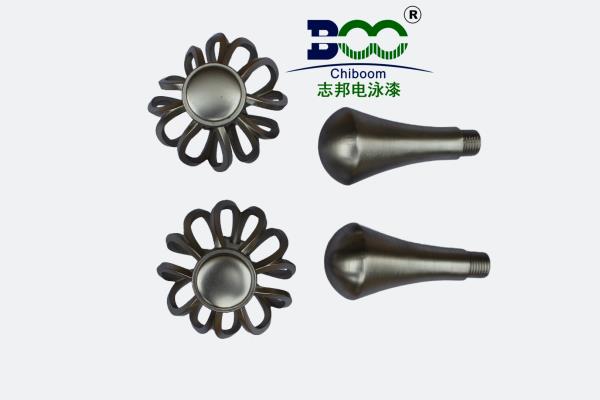
The occurrence of rough electrophoretic paint film is not without cause; it often results from the combined effects of multiple factors. The parameters of the electrophoretic bath solution are the first thing to check. Parameters such as solid content, pH value, and conductivity that deviate from the normal range can all lead to rough paint film issues. A high solid content accelerates the deposition speed of the paint film, which is prone to forming a rough surface. Abnormal pH values and conductivity interfere with the normal formation process of the paint film. The pre-treatment stage of the workpiece before electrophoretic coating is also not to be overlooked. Incomplete oil removal and rust removal, with residual oil stains, rust, and other impurities on the workpiece surface, can interact with the paint film during the electrophoretic process, causing roughness. In addition, unreasonable setting of electrophoretic process parameters, such as excessively high electrophoretic voltage or too long electrophoretic time, can also result in a rough paint film.
Once the root causes are identified, it's time to take targeted measures. If the bath solution parameters are abnormal, adjustments should be made promptly. When the solid content is too high, it can be reduced by adding an appropriate amount of solvent or ultrafiltrate. For pH value and conductivity that do not meet the requirements, corresponding adjusting agents should be added according to the specific situation to restore the bath solution parameters to the normal range. Optimizing the pre-treatment process is also a crucial step. More efficient degreasing agents and rust removers should be selected, and operations should be carried out strictly according to the process requirements to ensure that the oil stains and rust on the workpiece surface are thoroughly removed. Meanwhile, before entering the electrophoretic bath, the workpiece should be thoroughly cleaned and dried to ensure that the surface is free of impurities. For electrophoretic process parameters, the optimal electrophoretic voltage and time should be determined through experiments. Excessively high voltage can accelerate the deposition of the paint film, forming a rough surface, while too long a time may result in an excessively thick paint film, affecting quality. Properly setting these parameters can obtain a smooth and flat paint film.
In addition to treating the already rough paint film, daily maintenance and prevention work are equally important. Regular filtration and purification of the electrophoretic bath solution should be carried out to remove impurities and precipitates, maintaining the cleanliness and stability of the solution. Strengthening the inspection and maintenance of electrophoretic equipment ensures its normal operation, preventing paint film quality issues caused by equipment failures.
Although rough electrophoretic paint film is a tricky problem, as long as we identify the causes, take correct treatment methods, and do a good job in daily maintenance and prevention, we can easily solve it. I hope these methods can help you avoid the occurrence of rough paint film issues in the electrophoretic coating process, enabling your products to have smooth, beautiful, and durable paint films, and improving the overall quality and market competitiveness of your products. Let's walk the road of electrophoretic coating more smoothly together and create more high-quality products!


 WeChat